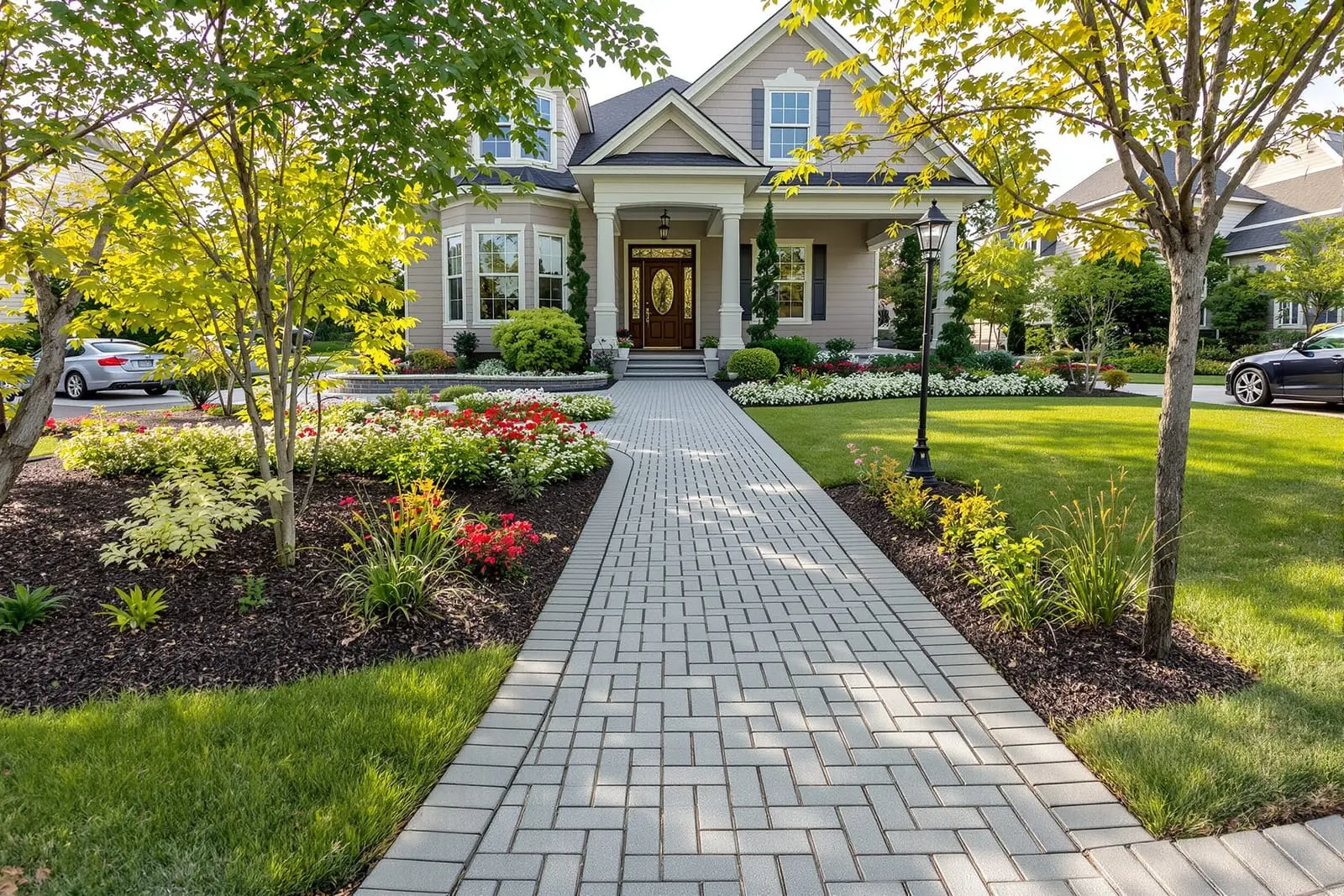
Create smooth, safe access around your property with walkway paving in Portland, OR. We build asphalt paths that connect driveways, entries, gardens, and outbuildings. Our team designs gentle slopes, clean edges, and durable surfaces that handle foot traffic while blending nicely with your landscaping.
Prestige Asphalt Portland provides professional walkway paving throughout Portland, OR and the surrounding area. Our licensed, insured crew delivers safe, clean, on-time work with a free estimate before anything begins. Call (971) 715-4815 or request your free quote.
Walkway paving for Portland homes and businesses
Walkways and pathways in Portland work hard. They deal with steady rain, winter freezes, tree roots, and heavy foot traffic. Prestige Asphalt Portland focuses on building paved walkways that keep their shape, drain correctly, and match the look of your house, yard, or commercial property.
We install new walkways, replace failing concrete paths, and extend or re-route existing paths around landscaping. Common projects include front entry walks in older Eastside neighborhoods, side-yard access paths in tight Portland lots, and garden or courtyard walkways around patios and accessory dwelling units.
When you call Prestige Asphalt Portland about walkway paving, we start by asking how the path will actually be used. Daily access to a front door needs a smoother, slightly wider surface than a garden path that only sees occasional use. If you expect wheelchair or stroller traffic, we set slopes and transitions that feel comfortable and safe in wet conditions.
Portland properties vary a lot in age and layout. Many homes in areas like Alameda, Sellwood, and St Johns have existing concrete walks that are cracked or heaved by roots. In those cases, we look at whether we can excavate and rebuild the base in sections to control cost, or if a full tear-out and replacement is smarter long term. For commercial sites, we also pay attention to ADA considerations and city access rules where walks meet public sidewalks.
How walkway and pathway paving is actually done
Proper walkway paving is mostly about what you do below the surface. Prestige Asphalt Portland follows a step-by-step process so your path stays stable in Portland’s wet climate.
1) Layout and elevations. We mark the route, check slopes with a level, and decide where water should go. Walkways need a slight cross-slope or lengthwise slope so water does not sit on the surface. On sloped lots, we often break the walk into short runs with landings or low steps to prevent slippery, steep sections.
2) Demolition and excavation. Old concrete or broken asphalt is removed with saws and small machinery, then hauled away. We excavate to the depth needed for a compacted base and asphalt layer, usually 6 to 10 inches total depending on soil and traffic. Portland has many pockets of soft, silty soil, so we sometimes dig a little deeper and bring in better base rock.
3) Subgrade and base prep. The exposed soil is compacted, then we install crushed rock base in layers, compacting each pass with plate compactors or small rollers. This step is what keeps the walkway from sinking or developing dips. In wetter parts of town or in yards with drainage issues, we may add a geotextile fabric under the base or include a small French drain along one side of the path.
4) Forming and edges. For curved walkways or paths that border lawns and beds, we set forms or edge restraints to hold the shape. On asphalt walks, we often use metal or concrete edging at high-traffic corners to keep lawn and mulch from creeping onto the path and to protect the edge from chipping.
5) Asphalt placement and compaction. Hot mix asphalt is brought in, spread to the planned thickness, and compacted with a roller or plate compactor sized for walkway work. We pay close attention to tie-ins at steps, stoops, and driveways so you do not end up with awkward lips or puddles at transitions.
6) Cleanup and walk-through. After compacting, we clean the work area, remove forms, and walk the route with you to confirm slopes, edges, and access points. In most cases, light foot traffic is fine within 24 hours, but we will tell you what is right for your specific project and time of year.
Material and design options for paved walkways
Although our core service is asphalt walkway paving, there are several ways to make the finished path look and perform right for your property.
Surface and edging choices. Standard black asphalt is the most common option, but the way it is edged and shaped makes a big difference. Some Portland homeowners choose a clean, straight walk with concrete or paver borders, which gives a sharper look in front yards and along driveways. In backyards or garden settings, gentle curves with natural stone or steel edging often blend better with landscaping.
Width and layout. For a primary front entry, we usually recommend at least 4 feet of width so two people can pass comfortably. Side-yard access or trash can routes can be slightly narrower if space is tight. For rental properties or small commercial sites, a wider, straighter walk often works better for deliveries, carts, and mobility devices.
Drainage features. In neighborhoods with older clay drain lines and heavy tree cover, surface water can be a concern. We can raise the walkway slightly and direct runoff into lawn areas, or install small swales or drains where the path meets driveways and patios. If existing downspouts discharge near the path, we may suggest extensions or piping under the walkway to keep water from undermining the base.
Tie-in to existing structures. Many Portland homes have existing front stoops, porch steps, and garage slabs poured decades ago. These are rarely level or at modern standard heights. Prestige Asphalt Portland carefully plans the approach to each of these points. Sometimes that means a gentle ramp transition, sometimes a short step or landing. The goal is to remove trip points while keeping the work compatible with your existing concrete.
What affects cost and typical problems we solve
Walkway paving costs in Portland are driven by site conditions more than by the square footage alone. Prestige Asphalt Portland is straightforward about what pushes price up or down so you can budget realistically.
Access and demo. Tight backyards with no vehicle access usually cost more, because materials and debris must be moved by wheelbarrow or small equipment. Removing thick, reinforced concrete walks is also more labor intensive than taking out thin, cracked slabs or old asphalt.
Soil and drainage. Soft or saturated soil requires more base rock and compaction time. In parts of Portland with high water tables or heavy clay, we may recommend additional base depth or drainage upgrades. These steps add upfront cost but are much cheaper than rebuilding a sunken or heaved walkway a few years later.
Tree roots and vegetation. Large street trees and old landscaping are common here. If roots are pushing up existing paths, we identify which roots can be trimmed without harming the tree, then adjust the walkway alignment or depth to avoid future conflict. Where roots cannot be cut, sometimes a slight reroute or a split in the path protects both the tree and the new pavement.
Season and timing. Paving in the wettest months is possible, but it requires flexible scheduling around dry windows and more site protection. That can affect labor time. If you have a deadline, such as a property sale or business opening, we plan the work window carefully so the walkway is ready when you need it.
Common problems we are asked to fix include slippery slopes to basement entries, puddles forming at bottom steps, narrow and crumbling side-yard paths, and walkways that have become uneven at the property line where they meet city sidewalks. In many of these situations, the fix is to rebuild base elevations and drainage, not just put a new surface on top. We explain these tradeoffs clearly before any work begins.
What Portland property owners should know before hiring
Before you hire anyone for walkway paving, it helps to have a basic plan and a few site details ready. Prestige Asphalt Portland will walk you through options, but you can save time and money by thinking about these points in advance.
Usage and long-term plans. Decide if the walkway is mainly for you, renters, customers, or all three. An owner-occupied bungalow in Laurelhurst might prioritize curb appeal and a comfortable front walk, while a small apartment building in outer SE may need durable, low-maintenance paths that can handle frequent move-ins and service traffic.
Underground utilities. Older Portland homes often have shallow utility lines, oil tank remnants, or improvised drainage buried near walks. Provide any information you have about previous work, and we call in utility locates when needed. Knowing where gas, water, and communication lines run helps avoid surprises and delays.
Permits and property lines. In most cases, a walkway on private property does not need a permit, but if the new paving ties into or replaces a city sidewalk or crosses a right-of-way, Portland Bureau of Transportation rules may apply. We can help you understand where your project sits relative to these requirements and, where needed, coordinate with the city.
Maintenance expectations. Asphalt walkways do not need much attention, but sealing after the first year and then periodically can extend life and keep the surface looking uniform. Clearing organic debris like wet leaves and needles is important in this climate to reduce slipperiness and staining. We explain exactly what maintenance level makes sense for your specific path, shade level, and nearby vegetation.
When you contact Prestige Asphalt Portland, we typically schedule a site visit, discuss routing and design ideas on the spot, then send a written estimate that breaks out prep work, base rock, asphalt paving, and any extras like edging or drainage. That way you can see where every dollar is going and adjust scope to fit your budget without losing the core function and longevity of the new walkway.
“
Professional walkway and pathway paving, done right the first time, quality materials, honest pricing, and results that last.
Prestige Asphalt Portland
Walkway and Pathway Paving Across Our Service Area