Reduce dust, mud, and maintenance with commercial gravel to asphalt conversions in Portland, OR. We transform rough gravel lots and drives into smooth, professional asphalt surfaces. Our team evaluates base conditions, improves drainage, and installs pavement built to handle your specific traffic.
Prestige Asphalt Portland provides professional commercial gravel to asphalt throughout Portland, OR and the surrounding area. Our licensed, insured crew delivers safe, clean, on-time work with a free estimate before anything begins. Call (971) 715-4815 or request your free quote.
Turn Your Gravel Lot Into a Reliable Asphalt Surface
If your commercial property in Portland still relies on a gravel lot or drive lane, you already know the headaches: ruts after every storm, dust on customer vehicles, mud at loading areas, and constant grading bills. Prestige Asphalt Portland specializes in commercial gravel-to-asphalt conversions that transform loose rock into a clean, durable, and code-compliant paved surface that reflects well on your business.
We focus on the unique demands of Portland properties. Our crews account for frequent rain, winter freeze-thaw cycles, and local soil conditions so your new asphalt surface drains properly and holds up under delivery trucks and daily traffic. From small retail parking areas to large distribution yards, we design each conversion around how your site is actually used, not just how it looks on a plan.
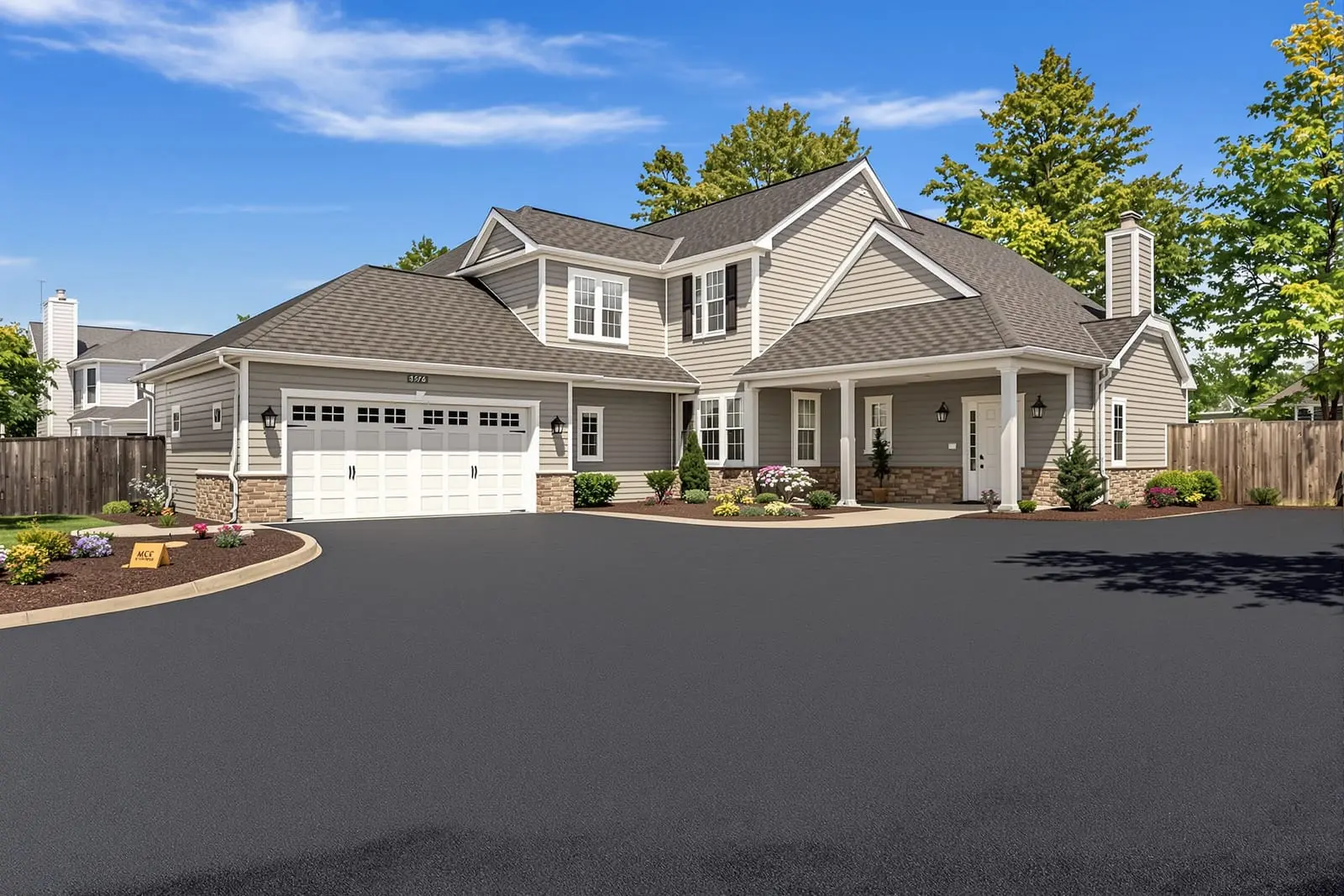
Our goal is simple: take the uneven, messy gravel area you are dealing with now and turn it into a smooth, striped asphalt surface that is easier to maintain, safer for vehicles and pedestrians, and more professional for customers and tenants.
How Commercial Gravel-to-Asphalt Conversions Work in Portland
A proper gravel-to-asphalt conversion is more than just putting blacktop over rock. Prestige Asphalt Portland starts with a detailed site review. We check existing gravel depth, how the lot drains during a typical Portland rain, where water currently ponds, and what types of vehicles use the space. We also look for utilities, soft spots, and access issues that could affect construction.
After evaluation, we bring in grading equipment to reshape the area. We establish correct slopes so stormwater moves to catch basins, swales, or approved discharge points instead of pooling in traffic lanes. Often this includes cutting down high spots, filling low areas, and compacting the existing gravel with vibratory rollers to create a firm base.
If the existing gravel is too thin, dirty, or mixed with clay, we add new crushed rock (typically 3/4 minus or similar local aggregate) and compact it in layers. This step is critical in our wet climate. A strong, well-draining base prevents the alligator cracking and potholes that appear when asphalt is laid over poorly prepared gravel.
Once the base meets density and grade requirements, we install hot mix asphalt at a thickness appropriate for your traffic. Light car parking might use 2 to 3 inches of asphalt in one or two lifts, while truck or forklift areas often require 3 to 5 inches and potentially a stronger base layer. We then compact the asphalt while it is at the right temperature, rolling edges carefully so they do not break down later under vehicle weight.
Local Conditions That Shape Your New Asphalt Lot
Portland’s weather and soils have a big impact on how we design and build commercial gravel-to-asphalt projects. Many properties sit on silty or clay soils that trap water. If we see pumping (water and mud pushing up through the gravel under compaction), we may excavate soft zones and install a thicker crushed rock section or a geotextile fabric to separate native soil from the base. This adds longevity and reduces future settlement.
Our crews also pay attention to the city’s heavy rainfall patterns. In areas like North Portland or along the Columbia Corridor, where lots are wide open and flat, we carefully set grades that move water away from buildings and entries, yet do not push runoff onto neighboring properties or sidewalks. When needed, we coordinate with your civil engineer or designer to adjust grades, curb lines, and drain locations so your asphalt surface works with the rest of your site plan and local stormwater requirements.
Timing is another local factor. In Portland, the best window for commercial gravel-to-asphalt conversions is usually late spring through early fall, when temperatures are higher and the subgrade is drier. Prestige Asphalt Portland can work outside this window for urgent projects, but we will be honest about risks like slower drying times or limited paving hours during wet weather. Planning ahead for a dry-season conversion usually lowers risk and can reduce costs related to weather delays.
Cost Drivers and Ways to Control Your Budget
No two gravel-to-asphalt conversions price the same. Prestige Asphalt Portland walks you through the specific elements that drive cost on your property so you can make informed choices.
Base condition is usually the biggest factor. If your existing gravel is deep, clean, and relatively well compacted, we may only need to fine grade and add a modest amount of rock. If the base is thin, full of fines and mud, or riddled with ruts that hold water, we will need more excavation, rock, and compaction, which increases cost but prevents premature failure.
Thickness of asphalt and base rock is another major driver. A delivery yard with semi-trucks, garbage trucks, or loaded box trucks requires more structure than a small office parking lot. We will recommend minimum thicknesses, then discuss options if you are trying to balance upfront budget with long-term durability.
Access, phasing, and business interruption also affect pricing. Working in tight downtown Portland lots or active retail centers might require night or off-hour work, temporary traffic control, or breaking the project into phases so tenants and customers always have parking. These logistical choices can increase labor and equipment time, but they may be necessary to keep your operations running.
To help you control cost, we can prioritize the most critical areas first, such as primary drive lanes and ADA routes, with the option to pave secondary or overflow sections later. Clear scope discussions and a written plan help avoid surprise change orders once work starts.
Common Problems With Gravel Lots and How We Solve Them
Property owners usually call Prestige Asphalt Portland after living with the same gravel problems for years. Common issues include constant washboarding in drive lanes, standing water around loading docks, dust impacts on neighboring businesses, and complaints from tenants about mud tracking into buildings.
During a conversion, we tackle these issues at the source. Ruts typically form where the base is too thin or drainage is poor. We correct the grades, bring in the right aggregate, and compact it to a density that resists heavy traffic. For water issues, we modify slopes, tie into existing drainage structures when possible, or create new flow paths that work within Portland’s stormwater rules.
Access for large trucks can be another challenge. Gravel can shift under turning movements, which leads to depressions and broken edges. With asphalt, we design turning radii and reinforcement in those high-stress regions, sometimes with thicker pavement or adjusted base rock, so your new surface stands up to repetitive movements from garbage trucks, delivery fleets, and forklifts.
ADA compliance is also easier with asphalt than gravel. We can establish smooth pedestrian paths, proper cross slopes, and accessible parking stalls with clear striping and signage so you meet code and provide a safer experience for all visitors.
What to Expect When You Work With Prestige Asphalt Portland
From the first site visit, our team focuses on clear communication and realistic timelines. We start by walking your gravel lot with you, noting traffic patterns, drainage problems, and any operational constraints like delivery windows or tenant schedules. Then we prepare an itemized proposal that outlines base preparation, asphalt thickness, drainage considerations, and any optional upgrades such as striping, wheel stops, or concrete curb.
Before construction, we help you plan logistics. This may include staging areas for equipment, temporary parking arrangements, and a phasing schedule that keeps critical access open. For many Portland businesses, we can complete conversions over a few days, starting with base work and ending with paving and striping, depending on size and complexity.
During work, you will have a single point of contact who updates you on progress and weather impacts. We coordinate inspections when required and make sure the finished surface matches the grades and layout we agreed upon. After paving, we recommend a curing period before heavy use, usually 24 to 48 hours for light traffic, and we provide basic maintenance guidance, such as when to consider sealcoating and how to handle de-icing in winter.
Our goal is a long-lasting, low-maintenance surface that makes your property look more professional and function better every day. When you are ready to convert from gravel to asphalt on your commercial site, Prestige Asphalt Portland is prepared to design a solution that fits your operations, your budget, and Portland’s conditions.
“
Professional commercial gravel-to-asphalt conversions, done right the first time, quality materials, honest pricing, and results that last.
Prestige Asphalt Portland
Commercial Gravel-to-Asphalt Conversions Across Our Service Area