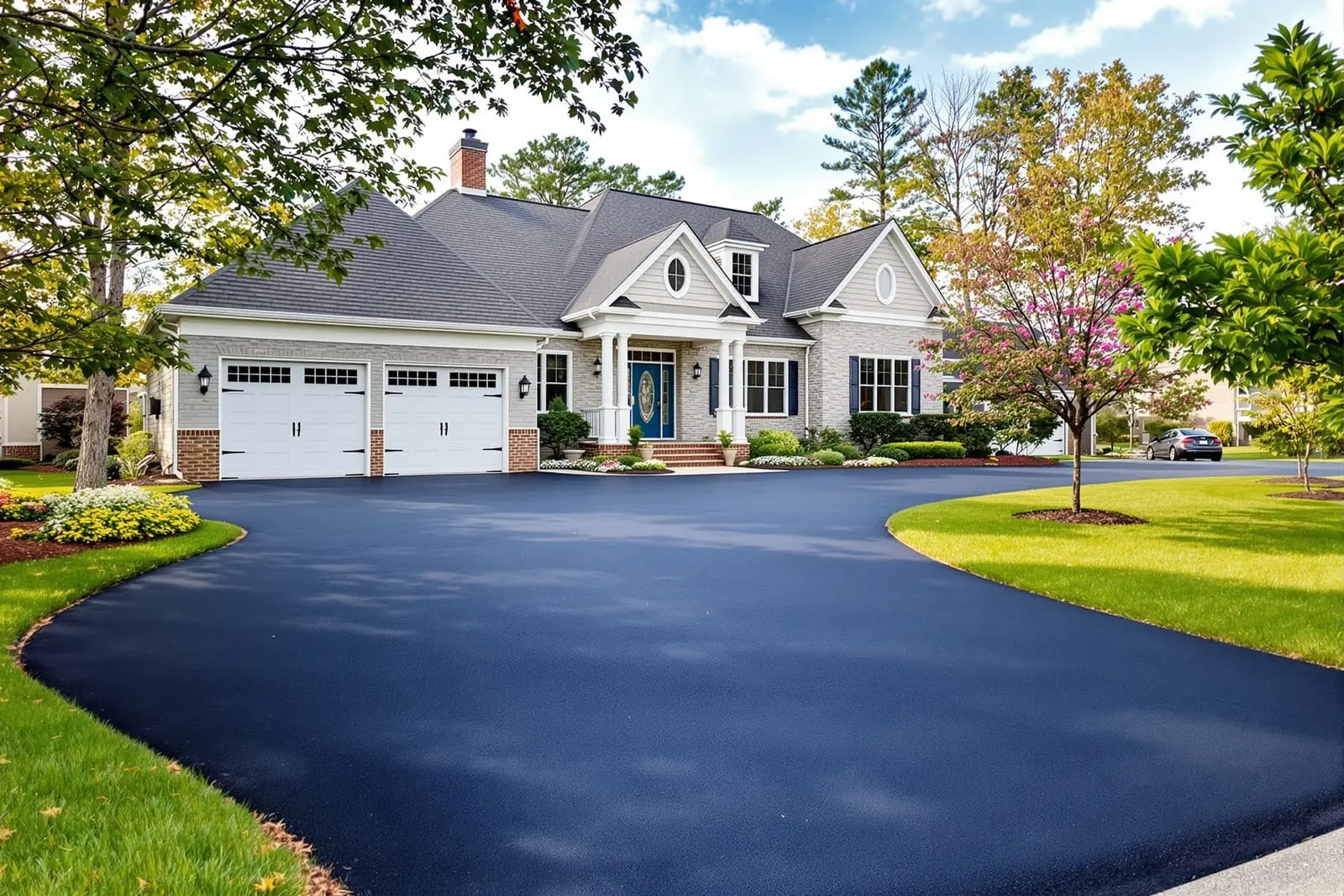
Prepare your site for new paving with asphalt milling in Portland, OR. We grind off worn surfaces to the proper depth, recycle the material, and leave a textured base ready for overlay. Full depth reclamation is also available to stabilize and rebuild severely damaged pavements.
Prestige Asphalt Portland provides professional asphalt milling throughout Portland, OR and the surrounding area. Our licensed, insured crew delivers safe, clean, on-time work with a free estimate before anything begins. Call (971) 715-4815 or request your free quote.
Asphalt Milling and Reclamation for Portland Properties
Portland pavements take a beating from rain, freeze-thaw cycles, studded tires, and tree roots. Full tear-outs are not always necessary or cost effective. Asphalt milling and reclamation let us correct surface problems, improve drainage, and rebuild structure while reusing much of what you already have.
Prestige Asphalt Portland focuses on milling and reclamation for driveways, private roads, commercial parking lots, HOA streets, and small municipal work around the Portland metro. We look at the existing base, drainage patterns, traffic load, and nearby structures like garage slabs and sidewalks, then design a milling depth and overlay or reclamation plan that fits your specific site, not a one-size-fits-all template.
Because we work only in the Portland area, we understand how local soils, rainfall, and city standards affect decisions like milling thickness, slope, and whether full-depth reclamation makes more sense than repeated overlays.
What Asphalt Milling Actually Involves
Asphalt milling uses a machine called a cold planer to grind off a controlled thickness of the existing asphalt surface. The machine has a rotating drum lined with carbide teeth that cut the pavement into small, reusable pieces. These millings are conveyed into trucks and hauled for recycling, often into new hot mix asphalt.
Before any milling begins, Prestige Asphalt Portland paints clear limits and depths, locates manholes and utility lids, and checks for shallow utilities or weak areas. On residential driveways and tight Portland parking lots, we use smaller, more maneuverable mills that can work close to fences, landscaping, and garage doors without causing damage.
Typical milling depths in Portland range from 1 to 3 inches for standard overlays. Deeper milling is sometimes needed near catch basins or where multiple old overlays have raised the surface too high. After milling, we sweep and blow the surface clean, adjust structures like manhole rims to the new grade, and check that water flows properly toward drains before paving.
The milled surface is rough but structurally sound, which gives the new asphalt overlay a strong mechanical bond. This is different from simply “skimming” a thin coat of asphalt on top of a worn surface, which usually fails quickly in our wet climate.
Full-Depth Reclamation for Failing Pavement
When a pavement has alligator cracking, soft spots, or serious rutting from heavy vehicles, surface milling alone is not enough. In those cases, we may recommend full-depth reclamation instead of a traditional remove-and-replace.
In reclamation, we use specialized equipment to grind together the existing asphalt and a portion of the underlying base rock, usually 4 to 8 inches deep. On some projects, cement or other stabilizing additives are blended in. This creates a new, stabilized base layer using the material you already have, reducing trucking and disposal costs.
Prestige Asphalt Portland evaluates each site for suitability. Areas with chronic standing water, organic subgrade, or evidence of old construction debris might need additional excavation or underdrains before reclamation. Where soil conditions are favorable, reclamation can give you a stronger base than you started with while cutting days off the schedule.
After reclaiming and compacting, we fine grade the new base to the correct slopes, then place a new asphalt surface course. This approach is especially useful for long private drives in the West Hills, older multifamily parking lots in inner Portland, and HOA roads where budgets are tight but long-term durability is important.
How We Design the Right Milling or Reclamation Plan
Every property in Portland has its own mix of age, traffic, and drainage conditions, so we start with a site visit rather than quoting from aerial photos alone. We walk the pavement and look for base failures, heaving from tree roots, prior patching, and signs of water trapped under the surface.
For milling projects, we determine the depth based on how much of the damaged layer needs to be removed, how many overlays already exist, and the elevations of garage floors, door thresholds, curb faces, and ADA transitions. A common Portland issue is pavement that has crept up to flush with garage slabs after repeated overlays. In those cases, strategic milling lets us lower the surface again and prevent water from running into buildings.
For reclamation candidates, we may dig small test pits or cores to see the existing layer thicknesses. In problem soils like some of the silty areas in Southeast Portland, we often recommend a slightly thicker reclaimed base and a heavier asphalt surface course to resist rutting. We can also phase larger parking lots so that a portion remains open for tenants or customers while work proceeds.
Prestige Asphalt Portland explains the options clearly, including the trade-offs between deeper milling plus overlay versus reclaiming and building a new base, so you can choose what best fits your budget and plans for the property.
Cost Factors for Asphalt Milling and Reclamation in Portland
Pricing for asphalt milling and reclamation depends on more than just square footage. The depth of milling or reclamation, the condition of the subgrade, and access to the site all affect cost. Tight alleys, overhead wires, and limited truck access in older Portland neighborhoods can slow production and influence equipment selection.
Milling projects have three main cost drivers: milling depth and area, the thickness and type of new asphalt surface, and the number of structures that must be adjusted (like manholes, water valves, and catch basins). If the milled material can be reused on-site as shoulder backing or driveway base, that can reduce export and import costs.
For reclamation, critical factors include how deep we must reclaim to reach solid support, whether stabilizing agents like cement are needed, and how much grading and fine-tuning is required afterward. Reclamation can look more expensive per day, but it often replaces several steps: demolition, hauling to a dump, importing new rock, and extended compaction time.
Prestige Asphalt Portland provides written proposals that break out milling, reclamation, paving, and any drainage or base repairs as separate line items. This helps you compare options and understand exactly what you are paying for, rather than accepting a single lump sum with no detail.
Common Portland Pavement Problems We Solve With Milling
Local property owners often call us when they notice repeating issues that simple patching does not fix. One frequent problem is ponding water in low spots of parking lots, especially near catch basins that have sunk or been paved over multiple times. Targeted milling lets us “re-profile” these areas so water runs off correctly again.
Another issue is trip hazards where overlays have built up around curb ramps, sidewalks, or building entries. In Portland, commercial and multifamily properties must maintain ADA-compliant transitions. We use precision milling around these interfaces to bring them back to proper elevations before placing new asphalt.
On hillsides and steep driveways, traction can deteriorate as the surface oxidizes and ruts. By milling off the polished surface and installing a new mix with the right aggregate size, we restore both smoothness and grip. Where tree roots have pushed sections up, we may remove those localized areas, trim or bridge over roots as appropriate, then blend with light milling around the repair so the finished surface looks consistent.
Prestige Asphalt Portland also coordinates with HOAs and property managers to handle work in stages, limiting disruption. We schedule milling and paving around trash pickup days, deliveries, or high-traffic times, something that matters a lot in dense Portland neighborhoods and small commercial centers.
Permits, Scheduling, and What Portland Customers Should Expect
For private driveways and most parking lots on private property, the City of Portland typically does not require a street opening permit for milling and reclamation, since we are working within existing pavement limits. If your project ties into the public right of way, like a shared driveway apron or private road that meets a city street, we help coordinate with PBOT when permits or traffic control plans are needed.
Before work begins, Prestige Asphalt Portland reviews access needs for residents or tenants. For milling plus overlay jobs, your pavement is usually accessible again by the end of the paving day, although we may recommend keeping heavy trucks off for 24 hours. Full-depth reclamation projects may need a short curing period if stabilizers are used, followed by paving.
Our crews typically start with a pre-job walkthrough, confirming which areas are to be milled or reclaimed, where trucks can stage, and where you want temporary “no parking” signs or cones. During operations, milling machines and sweepers can be noisy, so we schedule around quiet hours when required by neighborhood or city rules.
At the end of the project, we provide maintenance recommendations tailored to your site, like how often to sealcoat (if appropriate), where to keep drains clear, and what vehicle loads your new surface is designed to handle. Our goal is not just to leave a fresh surface, but to help you get the longest possible life from your investment in milling and reclamation.
“
Professional asphalt milling and reclamation, done right the first time, quality materials, honest pricing, and results that last.
Prestige Asphalt Portland
Asphalt Milling and Reclamation Across Our Service Area