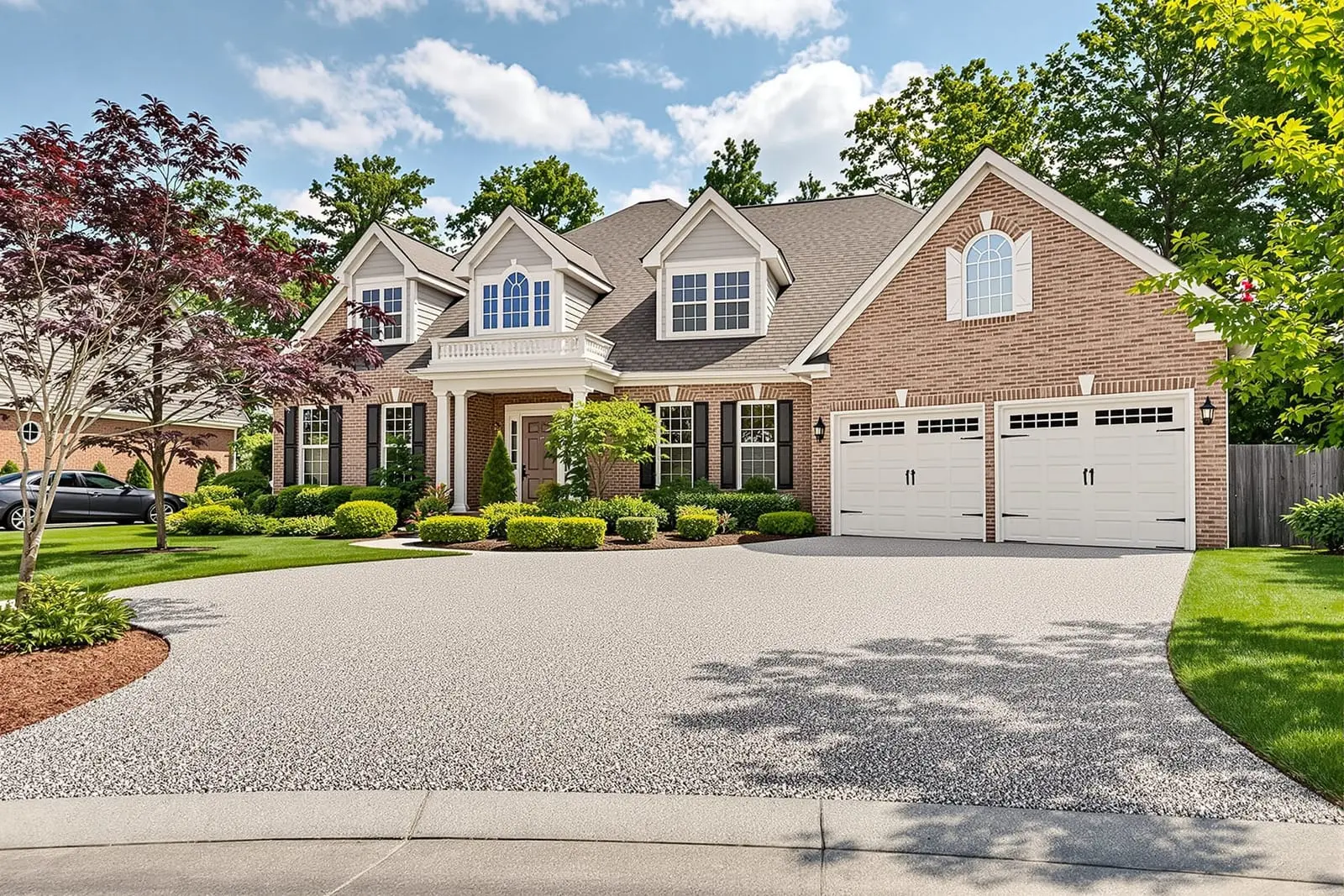
Tired of mud, ruts, and dust from your gravel drive. Our gravel to asphalt conversion in Portland, OR turns rough surfaces into smooth, clean driveways. We regrade the base, compact it firmly, and install hot mix asphalt at the right thickness for your traffic and drainage needs.
Prestige Asphalt Portland provides professional gravel to asphalt conversion throughout Portland, OR and the surrounding area. Our licensed, insured crew delivers safe, clean, on-time work with a free estimate before anything begins. Call (971) 715-4815 or request your free quote.
Turn Your Gravel Drive or Lot Into Clean, Solid Asphalt
If you are tired of ruts, mud, and gravel washing into the street, a gravel to asphalt conversion can make a big difference in how you use your property. Prestige Asphalt Portland specializes in turning existing gravel driveways, parking areas, and private roads into smooth, long‑lasting asphalt surfaces suited to Portland weather.
We work all over the Portland area in neighborhoods like Lents, St. Johns, East Portland, and out into Gresham and Happy Valley. Most of our gravel to asphalt projects start with customers who are done fighting potholes every winter, dust every summer, and tracking rocks into the garage. Others come to us because the City or their HOA wants a cleaner edge at the street or better stormwater control.
Converting gravel to asphalt is not just about paving over what is there. The key is making sure the existing gravel base can support asphalt through years of rain, traffic, and freeze‑thaw cycles. When we look at your site, we are checking how thick the gravel is, how it drains, and how the subgrade soil behaves. Portland has plenty of clay pockets and soft, saturated spots, so we design every conversion to handle those local conditions instead of using a one‑size‑fits‑all approach.
How Gravel-to-Asphalt Conversion Actually Works
On a typical Portland gravel to asphalt conversion with Prestige Asphalt Portland, the work follows a clear sequence.
1) Site inspection and layout. We walk the entire area, mark the edges of the future asphalt, and check how water currently flows. In many Southeast and East Portland properties, the ground naturally drains toward the house or garage, which we correct with added slope, French drains, or small swales so water does not end up against your foundation.
2) Grading and base evaluation. We scrape and regrade the existing gravel to get a uniform depth, then proof‑roll it with heavy equipment. If we see pumping (wet spots that move under the roller) or deep tire deflection, that is a sign the base is not ready for asphalt. In those spots we dig out soft soil, install geotextile fabric if needed, and rebuild with crushed rock.
3) Base rebuilding where needed. Many gravel drives in Portland were built informally over time, with mixed rock and fines. For asphalt, we typically use 3/4 inch minus or 1 inch minus crushed rock compacted in layers. On heavier use sites like small commercial lots or flag‑lot access drives, we increase base depth so the pavement can support service vehicles and delivery trucks.
4) Edge support and transitions. Before paving, we define clean edges: sawcutting into existing asphalt or concrete at the street, creating straight terminations along lawns, or adding compacted shoulders on rural or sloped sites. Proper edges keep the new asphalt from breaking off at the sides and make snow shoveling and mowing easier.
5) Asphalt paving and compaction. For driveways and light‑duty parking, Prestige Asphalt Portland usually installs a 2.5 to 3 inch compacted asphalt mat in one or two lifts, depending on use. The mix design is chosen for local temperatures and traffic load, using a more stable mix for turning areas and slopes so tires do not scuff the surface.
6) Rolling, cleanup, and walkthrough. We compact the new asphalt with steel and pneumatic rollers to lock the surface, then sweep, haul off any spoils, and walk the area with you. We explain where to avoid sharp turns the first few days and how to handle any early surface markings so the pavement cures correctly.
Local Conditions That Shape Your Project in Portland
Portland’s climate and soils dictate how a gravel to asphalt conversion should be built if you want the driveway or lot to last.
Rainfall and drainage. With months of steady rain, any low spot in your current gravel likely turns into a puddle or mud. If we simply paved over that, you would get standing water and early cracking. At Prestige Asphalt Portland we build in a minimum slope, usually 2 percent or more, and direct water to safe outlets or existing drainage systems. In some older Portland neighborhoods without good storm systems, we create shallow rock‑filled swales or drywells to keep water on site and away from neighboring properties.
Clay and fill soils. Much of Portland sits on variable fill and native clays. These expand when wet and shrink when dry, which can cause dips or heaving under asphalt. During conversion we look for gray or blue clay and loose fill. Where we find it, we stabilize the subgrade with additional rock or geotextile, and in the worst pockets we over‑excavate and rebuild. This is more upfront work, but it prevents alligator cracking and depressions that otherwise show up in a few seasons.
Tree roots and shade. Many gravel drives wind around mature maples, firs, and ornamental trees. Roots that have been harmless under loose gravel can buckle asphalt. We coordinate with you on where limited root pruning is possible, where the alignment should shift around root zones, and where a thicker section or root barrier is warranted. Heavily shaded, moss‑prone areas may also call for a slightly different mix and maintenance plan so the surface does not stay slick and damp all winter.
Access and steep grades. In Portland’s West Hills and some outer eastside slopes, gravel access drives can be steep and rutted. For these we design a conversion that improves traction and controls runoff, often with a coarser surface texture, cross drains, and carefully placed transitions so vehicles do not scrape at the street.
Design Choices, Cost Drivers, and How to Control Your Budget
There is no single price per square foot that fits every gravel to asphalt conversion, because conditions under the gravel and the way you use the surface have a big impact on cost. Prestige Asphalt Portland focuses on explaining the choices that matter so you can decide where to invest and where to keep it simple.
Main cost drivers:
• Base repair and depth. If your existing gravel is clean, well compacted, and thick enough, we can use much of it as is, which keeps costs down. If we need to remove saturated material, add geotextile, or build up several inches of new rock, that will be a noticeable part of the budget but also the main factor in how long the pavement lasts.
• Size and layout complexity. A straightforward rectangular driveway with easy truck access costs less per square foot than a narrow, winding, or tiered layout with many curves and tight spaces. Conversions involving shared drives, easements, or new parking configurations often require extra grading and handwork around structures and fences.
• Asphalt thickness and mix type. Light residential use usually does fine with a standard driveway mix at 2.5 to 3 inches compacted. If you expect frequent RVs, trailers, delivery vans, or garbage trucks to cross the same path, we often recommend a thicker section or a heavier mix in those wheel paths. Spending a bit more on thickness in high‑stress areas prevents rutting and premature failure.
Ways to manage budget responsibly:
• Phase the work. Some Portland homeowners choose to convert the primary drive now and add side parking areas or additional lanes later. We can design the initial project so future tie‑ins look clean and do not create weak joints.
• Simplify edges. Decorative curbs and intricate borders look nice but are not required for function. Many customers choose compacted gravel shoulders or simple straight edges to save money and still get a clean, durable finish.
• Combine small areas. If you and a neighbor share a gravel access or adjoining parking strip, doing the conversion together can reduce mobilization costs and sometimes qualify the project for a more efficient paving schedule.
What to Expect When You Hire Prestige Asphalt Portland
A successful gravel to asphalt conversion is as much about planning and communication as it is about paving. Here is how we typically work with Portland customers from first call to finished pavement.
Initial conversation and site visit. We ask how you currently use the gravel area, where you see ruts or puddles, what vehicles you park there, and whether there are any city or HOA requirements. At the site visit we shoot grades, check drainage, and probe the existing gravel depth, then discuss practical options instead of pushing you into a preset package.
Clear written proposal. Prestige Asphalt Portland provides a written scope that spells out what we will do with the existing gravel, where we might need extra base work, the planned asphalt thickness, and any drainage features. If there are unknowns, such as deep soft spots that might only show once we start grading, we explain how those will be handled and priced so there are no surprises.
Scheduling and access planning. Gravel to asphalt conversions are weather sensitive, especially in Portland’s rainy months. We schedule your project for a dry window and coordinate access so you know when vehicles need to be moved and how long you will be without parking on the surface (usually 24 to 48 hours after paving for typical driveways).
During construction. Our crew keeps you updated as we strip, grade, and compact the base. If we uncover conditions that differ from what we saw on the surface, we show you, explain the options, and get approval before changing the plan. You see exactly why we are recommending any added work.
After completion. We walk the site with you, point out drainage routes, and give simple guidelines on curing time, sealing schedules, snow shoveling, and how to avoid early damage from heavy point loads or tight turning. For most Portland residential conversions we recommend waiting a full season before sealing, and we stand behind our work with practical follow‑up, not fine print.
If you are considering a gravel to asphalt conversion anywhere in the Portland area, we encourage you to ask specific questions about base preparation, drainage, and thickness. Those answers will tell you more about the long‑term success of your project than any low bid can. Prestige Asphalt Portland is ready to walk you through those details and build a surface that fits how you actually live and work on your property.
“
Professional gravel-to-asphalt conversions, done right the first time, quality materials, honest pricing, and results that last.
Prestige Asphalt Portland
Gravel-to-Asphalt Conversions Across Our Service Area