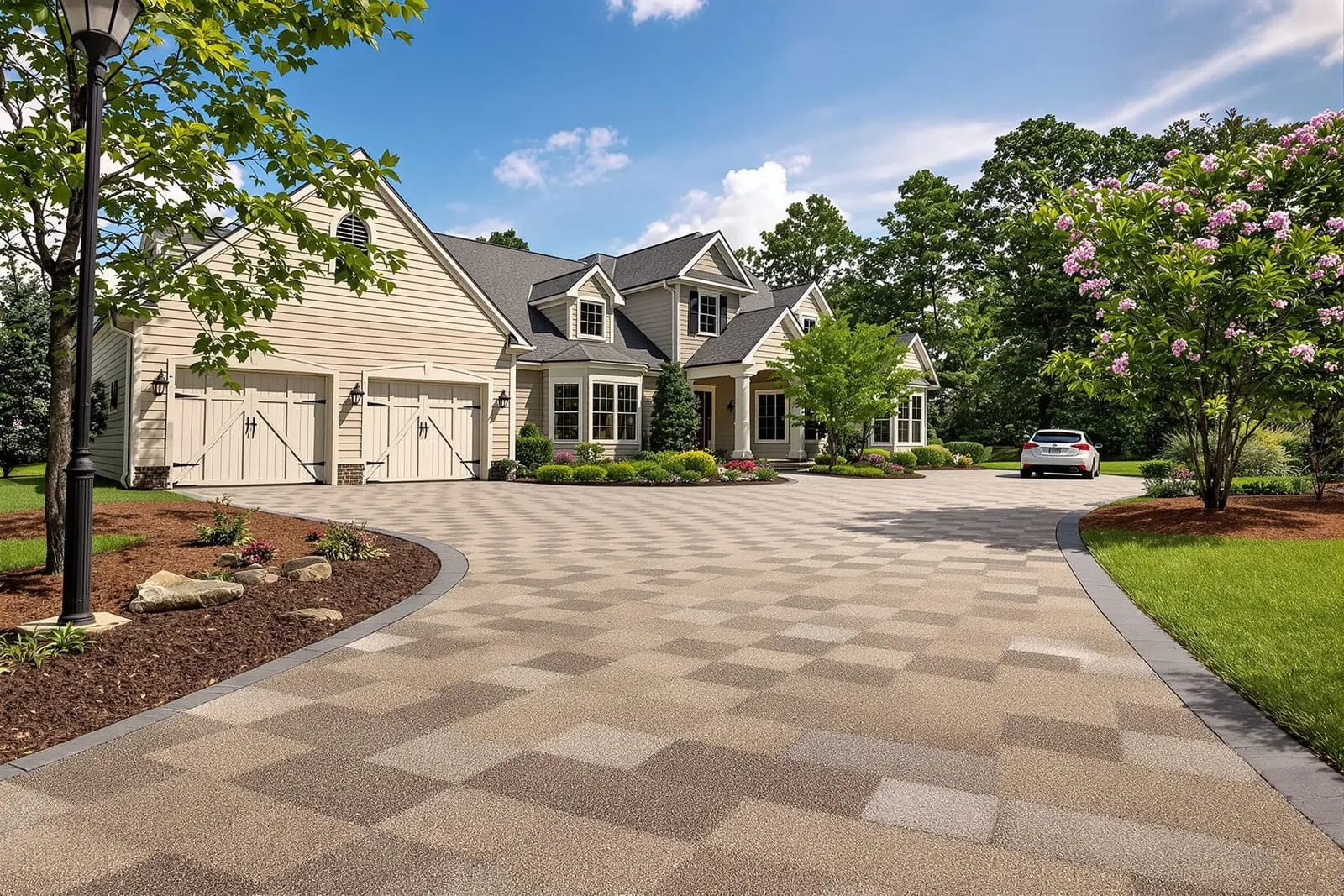
Make access easier and cleaner with private road paving in Portland, OR. We build and resurface shared lanes, rural drives, and long access roads with properly graded asphalt. Our team designs the right thickness, drainage, and layout so your road holds up to daily traffic and Pacific Northwest weather.
Prestige Asphalt Portland provides professional private road paving throughout Portland, OR and the surrounding area. Our licensed, insured crew delivers safe, clean, on-time work with a free estimate before anything begins. Call (971) 715-4815 or request your free quote.
Private Road Paving Expertise for Portland Properties
Prestige Asphalt Portland designs and paves private roads and lanes that stand up to Portland traffic loads and weather, not just look good on day one. Whether you manage a rural acreage off Skyline Boulevard, a shared driveway in Southeast, or an access lane serving multiple homes, we tailor the pavement structure to the way you actually use it.
Our team focuses on three things for every private road project: drainage, base strength, and asphalt mix. These are what determine whether your road lasts 5 years or 20. We do not copy public street standards blindly. Instead, we adjust pavement thickness, aggregate size, and slope to match your traffic patterns, soil conditions, and elevation so you get the most value for your budget.
How We Evaluate Your Site and Plan the Road
A successful private road or lane starts with a detailed site assessment. When Prestige Asphalt Portland visits your property, we walk the full alignment of the existing drive or proposed road, check where water currently flows and ponds, and look for soft spots in the soil or areas that rut easily.
We measure grades, note tight turns, check overhead clearance, and ask what kind of vehicles use the road. Occasional passenger cars, daily garbage trucks, and regular deliveries each require different pavement structures. If the route crosses utilities or a culvert, we flag that early so the design does not conflict with existing infrastructure.
In many Portland areas, particularly around Gresham, West Hills, and out toward Damascus, native soils are clay heavy. We probe the subgrade with a rod to see how deep the soft layer goes and whether we will need geotextile fabric or deeper base rock. All of this informs a written proposal that explains thicknesses, materials, and any drainage structures so you know exactly what you are getting before you approve the project.
Preparation, Grading, and Drainage That Prevent Future Failures
Private road paving fails early when drainage is ignored or the base is rushed. Prestige Asphalt Portland spends a significant portion of the project timeline on preparation because this is what prevents potholes and frost heave.
We start by stripping organic material such as topsoil, roots, and landscape debris until we hit firm subgrade. Soft sections are undercut and replaced with compacted rock rather than just covered. On many Portland sites we install a woven geotextile between subgrade and base rock to keep clay from pumping up into the gravel and weakening it.
Next, we bring in crushed rock, usually 3/4 inch minus or 1 1/2 inch minus depending on load requirements, and place it in lifts. Each lift is compacted with a vibratory roller and checked for density. We shape the road with a consistent crown or cross slope so water moves to the sides, and then add shallow ditches, swales, or French drains where necessary. If we work on a hillside, we are careful with cut and fill so slopes remain stable and drivability is safe in wet winter conditions.
Asphalt Materials, Thickness, and Finish Options
For private road paving, we typically recommend hot mix asphalt placed over a compacted aggregate base. The exact thickness depends on expected traffic. A light use lane that only sees household vehicles might receive 2 to 2.5 inches of compacted asphalt, while an access road that carries oil delivery trucks, garbage trucks, or construction traffic could require 3 to 4 inches in one or two lifts.
Prestige Asphalt Portland uses mixes formulated for our climate, with sufficient binder content and aggregate quality to resist rutting during summer heat and cracking during cold snaps. On steeper private lanes, we may specify a slightly coarser surface mix to provide better tire grip in rain and occasional light snow.
Finish details are customized to how you use the space. We can taper the asphalt edges into adjacent gravel shoulders, add widened passing zones or turnouts, create reinforced pads where delivery trucks turn around, or transition cleanly into existing concrete at garages or shop buildings. For longer private roads, we often propose a strip of centerline rock or a slight texture variation to help drivers stay centered at night.
Cost Drivers and Ways to Control Your Budget
Private road paving costs in Portland depend on more than just square footage. The biggest cost drivers are access for equipment, amount of base rock required, drainage improvements, and total asphalt thickness. A long but straight and easily accessible lane can cost less per foot than a short but steep, twisting road that requires significant grading and hand work.
Prestige Asphalt Portland is candid about where your money is going. On a new build, we might suggest investing more in base rock and drainage and slightly less in initial asphalt thickness, since adding an overlay later is straightforward. On a failing existing road, it can be more economical to reclaim and reuse some of the existing aggregate rather than hauling everything away and starting from scratch.
You can control costs by clearing vegetation ahead of time, providing a clear staging area for equipment and materials, and scheduling work outside the busiest peak season. We are happy to walk you through options like phasing a long private road in sections or paving a full depth entrance and turning areas first, then completing lower traffic segments later.
Portland Weather, Scheduling, and Long Term Care
Portland weather strongly affects timing and performance of private road paving. Ideal windows are typically late spring through early fall when temperatures are above 50 degrees and surfaces are dry. Prestige Asphalt Portland avoids placing new asphalt in heavy rain, since trapped moisture can lead to poor compaction and reduced life.
If we must work during a shoulder season, we adjust start times, use tack coats appropriately, and monitor surface temperatures to be sure the mix can be compacted correctly. For steep lanes that may see deicing products in winter, we consider sealing schedules to protect the asphalt binder from accelerated aging.
Once your private road is in service, simple steps greatly extend its life. Keeping ditches and culverts clear, not allowing gravel shoulders to build up higher than the pavement edge, and addressing isolated oil spills or rutting early all pay off. We can return on a planned cycle to inspect the surface, seal cracks, and recommend an overlay before structural damage occurs.
Choosing Prestige Asphalt Portland and What to Expect
Hiring a paving contractor for a private road is different from hiring for a small driveway. You are making decisions that affect emergency access, property value, and ongoing maintenance costs for years. Prestige Asphalt Portland focuses on clear communication and predictable outcomes so you are not left guessing.
During our initial visit, we listen carefully to how you and your neighbors use the road, any issues with visibility or winter access, and long term plans like future building sites. Our proposal will show the road layout, describe each construction step in plain language, outline materials by thickness and type, and explain any alternatives we believe are viable.
During construction, you will know daily which areas will be open or closed and how to get in and out of the property. After paving, we walk the road with you to review slopes, transitions, and drainage paths. We leave you with maintenance guidelines specific to your site, not just generic advice, and remain available to answer questions as the road settles into regular use.
“
Professional private road and lane paving, done right the first time, quality materials, honest pricing, and results that last.
Prestige Asphalt Portland
Private Road and Lane Paving Across Our Service Area