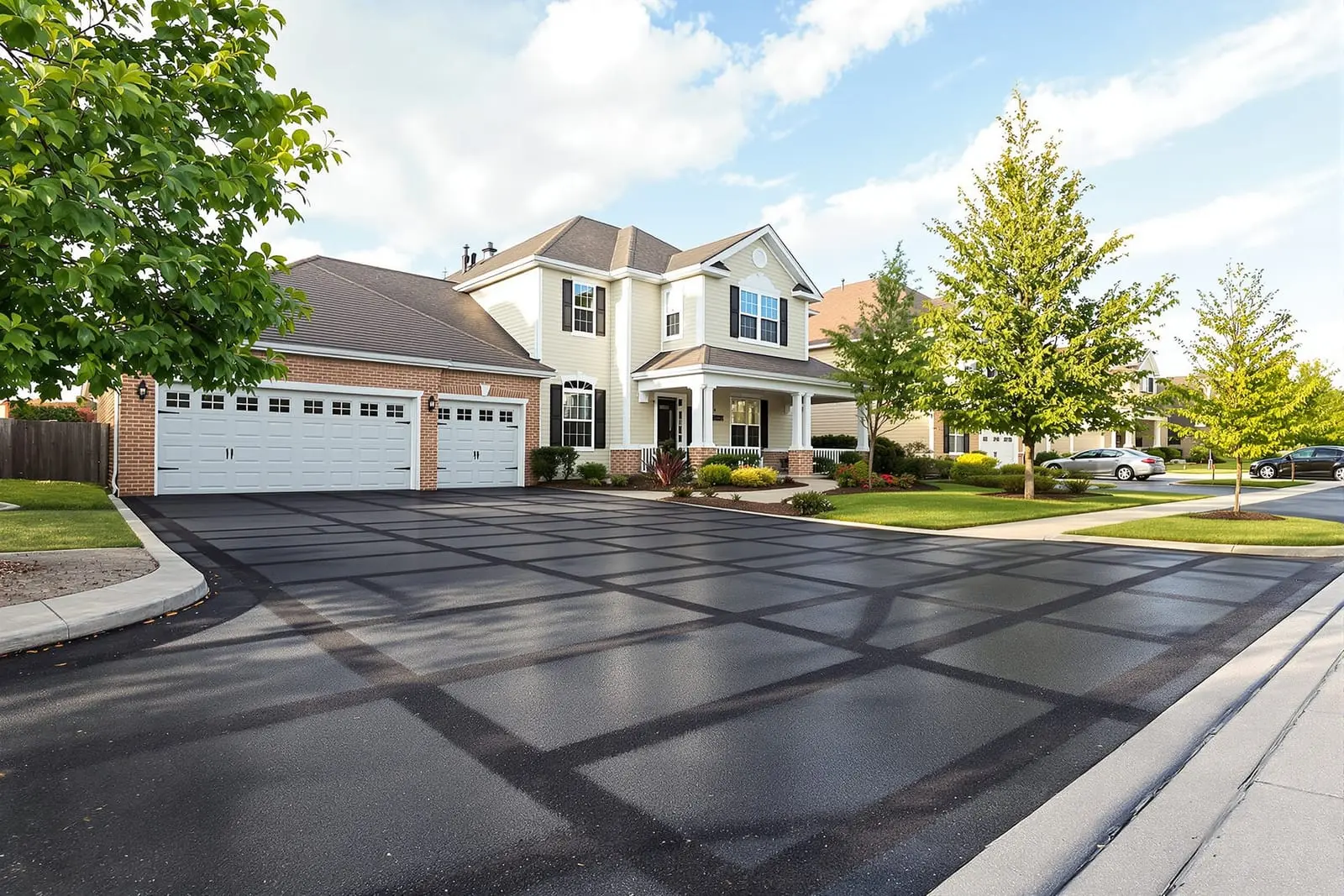
Handle high traffic routes with dependable municipal paving in Portland, OR. We pave city streets, neighborhood roads, and public access areas to meet specifications and performance standards. Our experienced crews manage traffic control, compaction, and smooth joints so your pavements last under constant use.
Prestige Asphalt Portland provides professional municipal paving throughout Portland, OR and the surrounding area. Our licensed, insured crew delivers safe, clean, on-time work with a free estimate before anything begins. Call (971) 715-4815 or request your free quote.
Road, street, and municipal paving in Portland that actually holds up
Municipal paving work in Portland has to survive heavy rain, freeze-thaw cycles, studded tires, buses, and utility trenches. Prestige Asphalt Portland focuses on designing and building pavement that fits how the street is really used, not just what looks good on paper.
We start by walking the site with you. For new roads, we look at traffic patterns, bus routes, truck access, grades, and drainage paths. For existing streets, we document potholes, rutting, alligator cracking, drainage failures, and any previous patchwork that might cause problems later. We note manholes, valve lids, ADA ramps, drive approaches, bike lanes, and crosswalks so the paving plan ties into everything cleanly.
Before we price anything, we check subgrade conditions. In Portland, that often means dealing with wet, silty soils and utility trenches that settle. When needed, we probe and test the base to see if it is strong enough or if we need to undercut soft areas and replace them with crushed rock. This early groundwork is what prevents premature cracking and depressions a year or two down the road.
How municipal paving projects are actually built
A typical municipal paving job with Prestige Asphalt Portland follows a clear sequence so the road can reopen on schedule and meet city expectations.
1) Traffic control and phasing: Before any grinding or paving, we design a traffic control plan that follows MUTCD and local requirements. That can involve flaggers, detours, temporary striping, and staging the work so bus routes and emergency access keep moving.
2) Milling and surface preparation: For overlays, we use a milling machine to remove existing asphalt to a set depth, usually 1.5 to 3 inches depending on the design. We tie the milling into gutters, inlets, manholes, and side streets so water flows correctly after paving. Edges are cleaned and tacked so the new asphalt bonds properly.
3) Base repair: When milling exposes soft or failed areas, we sawcut and remove those spots, then rebuild with compacted crushed rock and a base lift of asphalt if needed. Skipping this step is why some streets start failing again right after an overlay.
4) Paving and compaction: We bring in hot-mix asphalt from local plants, timed so the trucks arrive as the paver needs them. The screed is set for the correct slope (crossfall) so water sheds to drains and does not pond at low spots. Rollers follow immediately to compact while the mix is still at the right temperature, using a pattern that matches the mix type and layer thickness.
5) Raising utilities and finishing details: After the main mat is placed, we adjust manholes, valve lids, and utility boxes to final grade. We also finish transition areas at intersections, alleys, and driveways so there are no sharp lips that can catch plows, bikes, or low vehicles.
6) Striping and markings: Once the new surface has cooled and cured long enough, we apply striping, crosswalks, bike symbols, and lane markings using paint or thermoplastic, depending on the spec and traffic volume. We can coordinate turn arrows, school zone markings, and bus-only lanes as required by the agency.
Asphalt mix options, thickness, and Portland-specific design choices
Not every street in Portland needs the same paving structure. Prestige Asphalt Portland adjusts asphalt type and thickness to match traffic, base conditions, and budget.
For residential streets and low-volume access roads, we commonly install a 2 to 3 inch surface lift over a stable base, sometimes with a binder lift if the subgrade is suspect. For bus routes, industrial streets, and intersections where vehicles stop and turn, we may recommend a thicker section, such as 3 to 4 inches over an existing surface or 4 to 6 inches over new base, to resist rutting and shoving.
In high-traffic locations or where studded tires are common, we often specify a denser, higher polymer content wearing course to resist raveling and surface wear. Portland rain also affects the choice. We pay close attention to cross-slope and crown so that water leaves the roadway quickly and does not sit in wheel paths. Even a small adjustment to slope during paving can mean the difference between a long-lasting surface and one that develops potholes where water collects.
We typically use local ODOT or city-approved asphalt mixes so inspections move smoothly and materials match regional expectations. For streets near sensitive areas or with noise concerns, we can discuss different aggregate sizes or open-graded friction courses, along with the maintenance implications of each.
If you are working within a tight public budget, we can look at phased strategies, such as mill-and-fill on the worst lanes first, or heavier structural repairs at key intersections combined with thinner overlays on mid-block segments. The goal is to stretch dollars without creating a patchwork that will fall apart in a couple of winters.
Planning around Portland weather, utilities, and public use
Timing is critical for municipal paving in Portland because our wet season can shut asphalt work down or produce weak pavement if handled poorly. Prestige Asphalt Portland plans most major road, street, and municipal paving between late spring and early fall, when temperatures and moisture levels support good compaction and bonding.
If work must occur in shoulder seasons, we adjust start times, choose mixes that are more forgiving in cooler air, and watch surface moisture closely. We will not pave over visibly wet base or standing water because that traps moisture and leads to stripping and early failure.
Utility coordination is another big piece. Streets in Portland are full of water, sewer, gas, and communication lines. Before grinding or excavation, we call for locates and, on larger jobs, we coordinate directly with utility owners to avoid cut-and-patch work shortly after paving. When a utility agency has known upgrades scheduled, it can make sense to delay the final wearing course until their work is done so the finished surface stays intact longer.
We also help with public communication when requested. For city and district clients, we provide clear schedules and phasing maps so you can notify residents and businesses about access changes, parking impacts, and quiet hours. We plan staging so emergency vehicles and key service routes stay open, even when lanes are restricted.
In school zones and near transit corridors, we can schedule the noisiest operations like milling very early or during breaks, then perform final paving and striping when it will disrupt the fewest people.
Costs, life-cycle expectations, and what to ask before you hire
The cost of municipal paving in Portland is driven by several concrete factors: thickness of asphalt, amount of base repair, traffic control complexity, utility adjustments, and striping or specialty markings. Prestige Asphalt Portland provides itemized proposals so you can see how much each piece contributes to the total.
A simple mill-and-fill on a low-traffic street, limited patching, and basic paint striping will cost far less per square yard than a full-depth rebuild with heavy traffic control and thermoplastic markings. However, sometimes a cheaper thin overlay on a badly failed base is not a savings at all, because it may only last a few seasons before major repair is needed again.
For planning, we help agencies and property owners set realistic life-cycle expectations. A properly designed and constructed asphalt street in Portland, with periodic crack sealing and patching, can often deliver 15 to 20 years of service before a major overlay is required. Heavily loaded truck routes and intersections may need attention sooner, so we design with that in mind from the start.
Before you hire any paving contractor for road, street, or municipal work, ask specifically: How will you handle base failures that show up during milling, and how will that affect schedule and cost? What compaction targets will you use, and how will you verify them on site? How will you manage drainage so we do not end up with ponding in gutters or wheel paths? Can you coordinate with city inspectors and follow local standards?
Prestige Asphalt Portland is used to working under public specifications and inspection. We document materials, keep daily records, and welcome on-site inspection. That way, when the road reopens, you know it was built to a standard that makes sense for Portland traffic and weather, not just the lowest possible bid.
“
Professional road, street, and municipal paving, done right the first time, quality materials, honest pricing, and results that last.
Prestige Asphalt Portland
Road, Street, and Municipal Paving Across Our Service Area